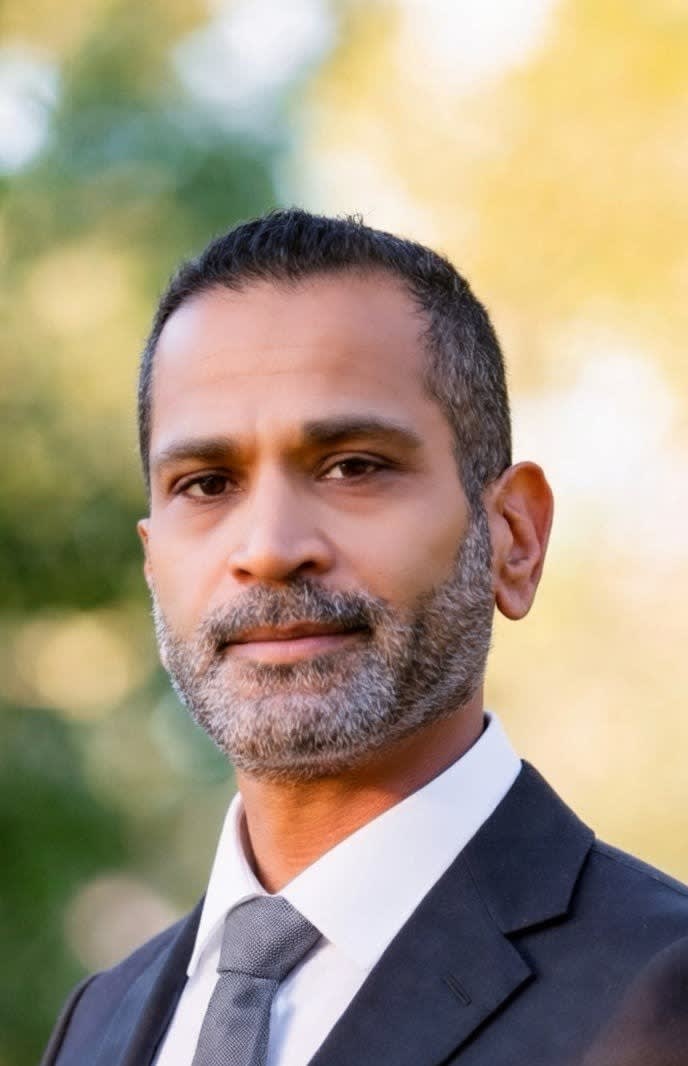
About the author →
Rialto was built around citrus groves and a rail depot, and both left their mark on how the city moves today. The old Route 66 alignment runs through town along Foothill Boulevard, and BNSF freight tracks still cross Riverside Avenue and other main streets at grade rather than on an overpass — a layout that predates the volume of traffic now converging on the I-10/I-215 interchange at the city's southern edge. San Bernardino International Airport, built on the old Norton Air Force Base runway just across the eastern city line, has grown into a regional air-cargo operation, and its truck traffic increasingly spills onto Rialto streets on the way to and from the 10 and the 215.
Rialto — court, hospital & distances
Why Rialto's cases look different
A crash at one of Rialto's at-grade rail crossings raises questions an ordinary intersection collision doesn't: whether crossing gates and warning lights were functioning, whether sightlines were obstructed, and whether the railroad itself bears any responsibility alongside the drivers involved. Separately, the cargo growth at San Bernardino International Airport has pushed more semi-trucks and delivery vans through Rialto's surface streets on their way to the freeway interchange, and a collision involving one of those commercial vehicles can bring an employer's insurance policy and federal trucking regulations into a case that would otherwise be a routine two-car claim. Rialto's older residential grid, laid out well before either the airport's cargo boom or the interstate interchange existed, wasn't designed to absorb either kind of traffic gracefully.
Who Responds to a Rialto Crash
Rialto maintains its own force, the Rialto Police Department, which handles crashes on city streets, including the at-grade rail crossings along Riverside Avenue and the older residential grid built long before the interstate interchange existed. On I-10, I-215, or an unincorporated road at the city's edge, the report more commonly comes instead from the California Highway Patrol's San Bernardino Area office, which also covers Colton, Fontana, Loma Linda, Redlands, and Yucaipa. A crash at a rail crossing can also draw in railroad personnel and investigators separate from either police agency, since questions about whether crossing gates and signals worked properly usually require a look at the railroad's own equipment logs in addition to a standard collision report. If you are not sure whether Rialto Police or the CHP took your report, the quickest way to find out is to call Rialto Police first, since most crashes within the city's older grid fall to them rather than to the state agency. Keep in mind that the responding agency is not always the one most able to explain a rail crossing's history or a particular interchange's design, so a records request to the city's public works department can sometimes fill in gaps a standard police report leaves out.
Public Agencies That Can Be Part of a Rialto Claim
Rialto's older street grid carries a mix of public infrastructure. The city maintains local roads, Caltrans District 8 maintains I-10 and I-215 through the city, and Omnitrans, the public transit agency serving Rialto and the rest of the San Bernardino Valley, runs bus routes on many of the same streets used by cargo trucks headed to and from San Bernardino International Airport. A rail crossing adds another layer again, since the railroad operating the tracks is a separate party from any of the public entities above. Whichever public body turns out to be involved, Government Code section 911.2 generally requires a written claim within six months of the incident, a far shorter deadline than the two years normally allowed for a claim against a private driver. In a city with this much overlapping public infrastructure, a crash that looks at first like a straightforward intersection collision can turn out to involve the city, the state highway system, or the transit agency once the full picture of what happened comes together. Sorting that out early, before memories fade and equipment logs get overwritten, generally makes the difference between a claim that moves smoothly and one that stalls on a procedural technicality months later.
Medical Care After a Rialto Crash
For a serious injury, the nearest Level I trauma center to Rialto is Arrowhead Regional Medical Center in Colton, roughly 6 miles away, one of the shorter trauma-center distances anywhere in the county. A crash involving a cargo truck headed to or from the airport, or one at a rail crossing, often raises more complicated liability questions than an ordinary two-car collision, which makes a complete and prompt medical record even more important. Insurers representing a trucking company or a railroad tend to look closely for any gap between the crash and the first documented treatment, so getting examined the same day, and following through on whatever care is recommended afterward, strengthens the record a claim depends on. Saving every discharge sheet, prescription, and billing statement from that first visit onward, rather than assuming you will remember the details later, makes that record much easier to put together once a claim actually gets filed.
Why work with Ron Chini in Rialto
Rialto is one of the closer San Bernardino County cities to both the courthouse and Arrowhead Regional's trauma center, and it sits roughly 55 to 60 miles from Ron's Irvine office. That distance does not change how Ron handles the case: he represents Rialto clients with the same hands-on approach across every case he takes, personally reviewing the file and answering calls himself rather than relaying through a case manager, and personal injury work is handled on a contingency fee, so there is no charge unless he recovers for you.
Rialto personal injury FAQ
Does Rialto have its own police department?
My crash happened at a rail crossing on Riverside Avenue. Who investigates that?
An Omnitrans bus was involved in my Rialto crash. Does that change my deadline?
Where would I be treated for a serious injury in Rialto?
← Back to San Bernardino County Personal Injury
Ron has practiced law from his Irvine office since 2009. You work directly with him — not a paralegal or a call center.
Learn more about Ron Chini →