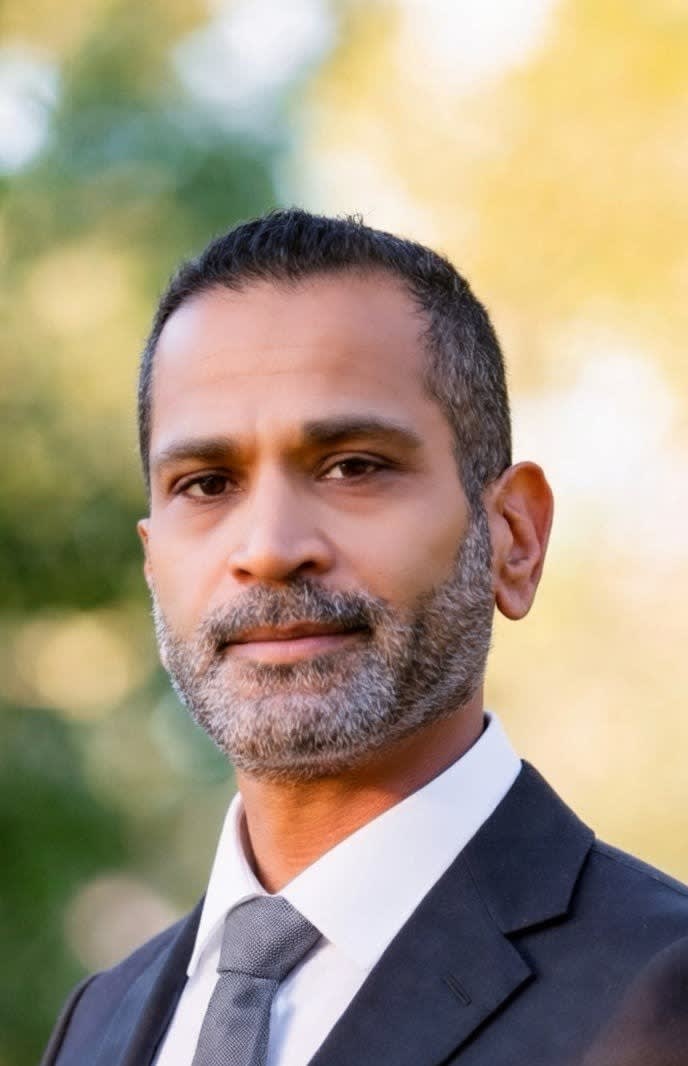
About the author →
Motorcyclists have almost no protection in a crash, and the injuries reflect it — road rash, broken bones, traumatic brain injury, and worse are far more common than in a car-on-car collision. Making matters harder, riders routinely face an unspoken bias: insurers and juries sometimes assume a motorcyclist must have been doing something risky. Here's what actually matters in a motorcycle claim.
Lane-splitting is legal in California
California is the only state that expressly authorizes lane-splitting — riding between lanes of stopped or slow-moving traffic — under Vehicle Code §21658.1, which directs the CHP to develop safety guidance for it rather than banning it. That matters, because insurance adjusters will sometimes try to pin fault on a rider simply for lane-splitting, even when it was done safely and within CHP guidance. Lane-splitting alone is not evidence of fault — but how fast, how safely, and under what traffic conditions it was done absolutely can be, which is why the specific facts of the ride matter.
Helmet use and your claim
California's helmet law (Vehicle Code §27803) requires an approved helmet for all riders and passengers. Not wearing one can affect a claim for head-injury damages specifically — insurers may argue it worsened your injuries — but it does not eliminate your right to recover for the crash itself, the property damage, or injuries a helmet wouldn't have affected. Whether and how helmet use factors into your case depends heavily on your specific injuries.
Fighting the assumption that the rider was at fault
Studies and insurance-industry patterns both show that drivers turning left across an intersection, or changing lanes, frequently fail to see an oncoming motorcycle — a "left-turn" or "lane-change" collision is one of the most common serious motorcycle-crash patterns, and it is almost always the car driver's fault, not the rider's. Overcoming an adjuster's instinct to blame the motorcyclist takes documented evidence: the police report, skid marks, vehicle damage patterns, and witness statements, gathered and preserved quickly.
If the other driver was drunk
Motorcycle crashes caused by impaired drivers carry an added legal wrinkle worth understanding: California's Proposition 213 normally limits pain-and-suffering damages for uninsured claimants, but that limit doesn't apply when the at-fault driver was convicted of DUI. Given how often serious motorcycle injuries involve long recoveries and significant pain-and-suffering damages, this exception can matter a great deal — and proving the DUI conviction holds up is exactly the kind of case-building Ron has done from the defense side since 2009.
Why work with Ron Chini
Ron reviews the crash, pushes back on unfair assumptions about riders, and builds your case for the full compensation you're owed. You pay no fee unless we win. See the full personal injury overview →
Ron is an experienced attorney; he does not claim to be a certified specialist, and no result is ever guaranteed.
Motorcycle accident FAQ
Was I automatically at fault because I was lane-splitting?
I wasn't wearing a helmet — can I still recover?
How long do I have to file a claim?
Ron has practiced law from his Irvine office since 2009. You work directly with him — not a paralegal or a call center.
Learn more about Ron Chini →