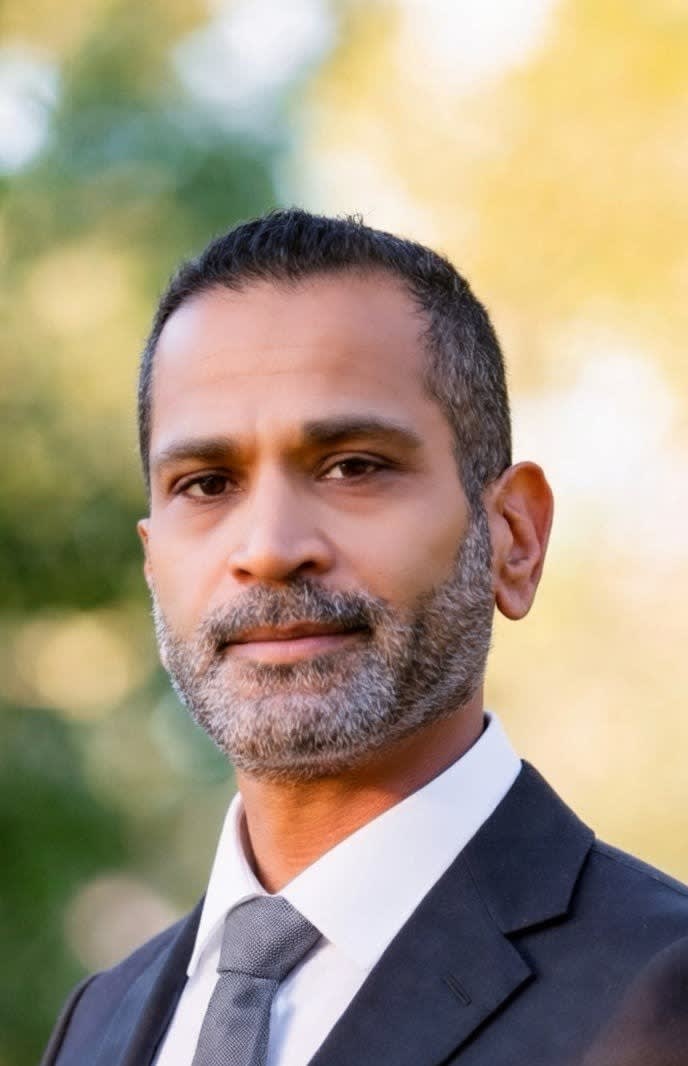
About the author →
Big Bear Lake is a mountain resort community reached almost entirely by two roads — SR-18 and SR-38 — climbing out of the valley into the San Bernardino Mountains. It draws a heavy seasonal population of visitors on top of its year-round residents, and the driving conditions up here (elevation, curves, ice in winter, distracted tourists in summer) are different enough from the valley floor that accidents here often carry their own set of complicating factors.
Big Bear Lake — court, hospital & distances
Why Big Bear Lake's cases look different
Getting off the mountain isn't as simple as the mileage suggests. SR-18 and SR-38 wind through steep grades and sharp switchbacks, and winter conditions — snow, ice, closures — can slow or reroute traffic well beyond what a flatland drive of the same distance would take. That geography also shapes the accidents themselves: run-off-road crashes on the curves, rear-end collisions where a driver misjudges a grade, and a steady stream of tourist and vacation-rental traffic mixing with residents who know the road. Ski season and summer weekends both bring surges of unfamiliar drivers navigating conditions they don't encounter at home, which is a recognizable and genuine local accident pattern up here.
Law Enforcement on the Mountain
Big Bear Lake does not run its own city police department. Law enforcement here is provided under contract by the San Bernardino County Sheriff's Department, which operates the Big Bear Lake Station on Summit Boulevard as the city's contract police service. Once a crash happens outside city limits, or in some cases on SR-18 or SR-38 themselves, the California Highway Patrol's Arrowhead Area office typically takes over the investigation. That CHP office patrols the broader San Bernardino Mountains, including the resort communities of Big Bear City, Crestline, Lake Arrowhead, and Running Springs, and covers more than 500 miles of mountainous, largely rural roadway along with hundreds of miles of off highway trails and national forest roads. That overlap, a contract sheriff's station working inside the city and a CHP mountain office working the highways around it, means the agency that responds to your crash can depend on exactly where on the mountain it happened, and sorting that out early matters if you need to track down the official report.
A Small Town With an Outsized Crash Rate
The California Office of Traffic Safety ranks cities against others of similar population every year, comparing total crash victims across agencies of roughly the same size. Big Bear Lake's numbers stand out in that comparison. In the agency's 2023 rankings, Big Bear Lake, with an average population under 5,000 people, placed second out of 74 comparable cities statewide for total victims killed or injured in crashes, with 57 people hurt or killed that year. A ranking that high for a town this small reflects how much traffic the mountain roads carry relative to the number of people who actually live here, since Big Bear sees a heavy flow of seasonal visitors, skiers in winter and lake tourists in summer, stacked on top of its year round residents. For someone hurt in one of those crashes, a ranking like that is not just a statistic. It is a reminder that the two lane mountain highways in and out of town were not built to handle the volume of traffic that now regularly uses them.
Emergency Care Up the Mountain
Bear Valley Community Hospital runs the only emergency department in Big Bear Lake, open 24 hours a day with a seven bed treatment area. It does not carry a trauma center designation, so a patient with a serious injury from a crash on SR-18 or SR-38 is generally stabilized there first and then transferred down the mountain, often to Arrowhead Regional Medical Center in Colton, roughly 45 miles away, for a higher level of care. Because the drive down the mountain can take considerably longer than the mileage suggests, especially in winter weather or after a closure on SR-18 or SR-38, a transfer for a serious injury sometimes happens by helicopter instead of by ambulance. If you were hurt here, pulling records from both the mountain hospital and wherever you were transferred helps show the full course of treatment when it comes time to value a personal injury claim, since an insurer will want to see every step of your care, not just the final diagnosis.
Why work with Ron Chini in Big Bear Lake
Big Bear Lake is about 95 miles from Ron's Irvine office and roughly 45 miles down the mountain from the San Bernardino courthouse where a personal injury case here would be filed, so travel and scheduling take real coordination. Ron handles Big Bear Lake cases personally, coordinating with the San Bernardino courthouse and making the drive up the mountain himself when a hearing requires it, rather than routing clients through office staff. Personal injury representation is offered on a contingency fee basis, so there is no cost unless he recovers for you.
Big Bear Lake personal injury FAQ
Does Big Bear Lake have its own police department?
Is Big Bear Lake actually a risky place to drive?
Where would I be treated after a serious crash in Big Bear Lake?
What if a sheriff's vehicle or other government vehicle was involved in my crash?
← Back to San Bernardino County Personal Injury
Ron has practiced law from his Irvine office since 2009. You work directly with him — not a paralegal or a call center.
Learn more about Ron Chini →