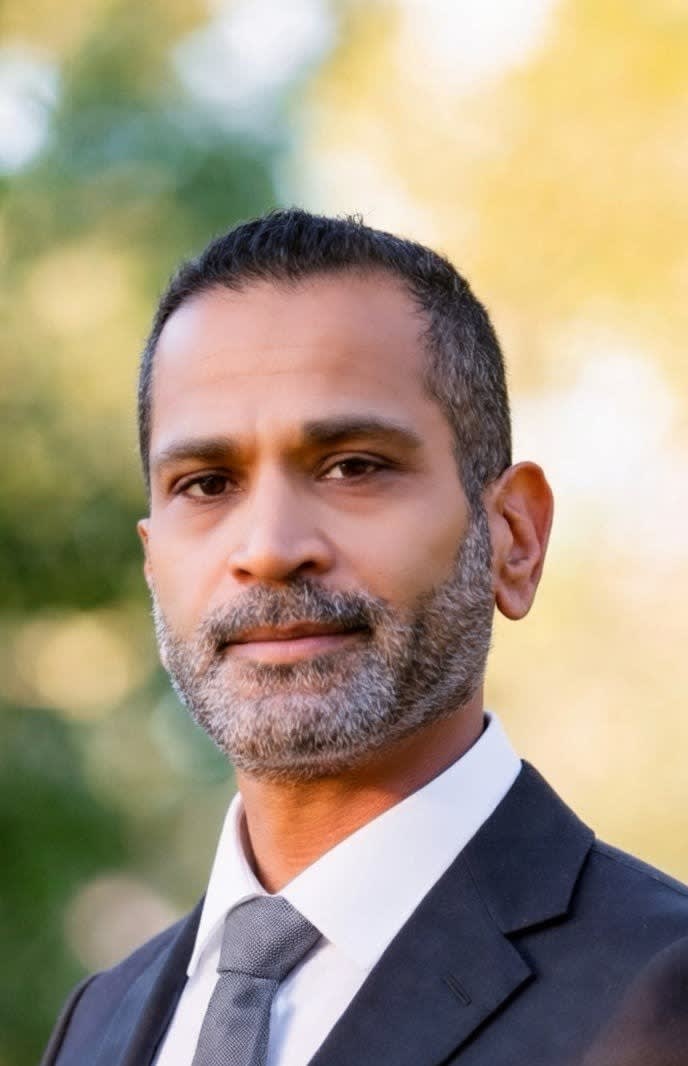
About the author →
This page covers downtown and Central Los Angeles specifically — for the county-wide picture of how LA Superior Court's district system works, see our Los Angeles County overview. Central District is the historic exception to the rest of the county's post-2022 story: rather than being newly routed to a local courthouse, downtown cases have simply stayed where they always were, at the Stanley Mosk or Spring Street Courthouse. What makes a downtown LA injury case distinctive is the environment itself — a dense mix of high-rises, Metro rail and bus lines, and a freeway stack unlike anywhere else in the county. Here's what to know if you were hurt in downtown Los Angeles.
Los Angeles — court, hospital & office details
Why downtown Los Angeles's cases matter locally
Downtown's freeway interchange — where the 101, the 110, and the 5 all meet — is one of the most congested points in the entire county, and it shapes both the volume and severity of vehicle collisions in the area. But downtown injury cases aren't only about freeway crashes: Metro's B and D rail lines and dozens of bus routes converge here, and pedestrian-vehicle conflicts at crosswalks near stations and along dense commercial corridors are a real and recurring part of the caseload, alongside high-rise workplace and parking-structure incidents. Because downtown has always been Central District's seat, at least the venue question in a downtown LA case tends to be more settled than in most of the rest of the county.
Requesting the LAPD report after a downtown crash
Downtown streets are the Los Angeles Police Department's territory, and the LAPD handles collision reports through its Traffic Coordination Section, part of the Emergency Operations Division, at 100 West 1st Street, 4th Floor. The section's phone number is (213) 486-0690. If a freeway crash was handled by the California Highway Patrol instead, you would request that report from the CHP.
The LAPD offers two routes. Most reports can be ordered online through a LexisNexis portal in English or Spanish, and the department asks you to allow a minimum of 45 days from the date of the collision before you try. A report that involves an arrest, a death, or a juvenile cannot be released online. Those go by mail, using the department's request form, to the Records and Identification Division, Document Processing Unit, P.O. Box 30158, Los Angeles, CA 90030. For a status check, the LAPD lists (213) 486-8130.
Forty-five days is a long time to wait to begin. You do not need the report to see a doctor, call your insurer, or start documenting the scene. Note the report number the officer gives you, because every request starts with it.
Metro trains, DASH buses, city sidewalks, and state freeways
Few places pack as many public operators into a few blocks. Metro's B Line subway runs from North Hollywood to Union Station and stops downtown at Civic Center, Pershing Square, and 7th Street/Metro Center, where it shares tracks with the D Line. The city's Department of Transportation runs DASH, and its Downtown DASH service has five routes (A, B, D, E, and F). The sidewalks, crosswalks, and traffic signals are generally the City of Los Angeles's. The freeways in the stack are part of the state system, which Caltrans District 7 oversees for Los Angeles and Ventura counties.
If one of those bodies is part of your claim, the clock is short. Government Code section 911.2 generally requires a written government claim within six months of the injury. A rideshare driver or a private motorist, by comparison, usually gives you two years under Code of Civil Procedure 335.1.
Pin down the owner before anything else. Write down the bus or train car number, the nearest cross street, and the time, and take photographs of any broken pavement or damaged equipment. Our guide to slip and fall claims explains how property cases work when the hazard is on public land.
Los Angeles General and the early medical record in a downtown injury
Los Angeles General Medical Center, at 2051 Marengo Street in Boyle Heights, is the hospital most people mean when they say LAC+USC. It is run by Los Angeles County, which lists it among the county hospitals with 24-hour emergency care. A published profile of the hospital describes it as a Level I adult trauma center and a Level II pediatric trauma center. If the designation matters to your claim, confirm it with the hospital or the county.
Whichever emergency room treats you, what is written there tends to become the first chapter of your case. Tell the staff how the injury happened, in plain words, and list every symptom, including the ones that seem small. Neck and back pain often shows up a day or two later, and it is easier to connect to the crash if you have already told a provider about it.
Ask for copies of your emergency chart and imaging, and keep every bill and discharge sheet. If you ride in an ambulance, save the paperwork from that too. Show up for follow-up appointments, because treatment gaps are one of the first things an insurance company points to.
Why work with Ron Chini in Los Angeles
Ron's Irvine office is approximately 45 miles from downtown Los Angeles, so most clients start with a phone or video call and visit only if it helps. Downtown claims often mix a driver, a rideshare company, and a public agency, and Ron sorts out who is responsible himself rather than passing the file along. Lawsuits for downtown cases generally go to the Stanley Mosk or Spring Street Courthouse. The case runs on contingency, so you owe no fee unless there is a recovery. Ron, who speaks English and Farsi, has been in practice since 2009. Every case depends on its facts, and no result can be promised.
Los Angeles personal injury FAQ
My downtown LA crash involved an arrest. Can I still get the report online?
A Metro train or DASH bus hurt me. Who do I notify and when?
Is Los Angeles General the only hospital I should consider after a downtown crash?
Do I need to travel to Irvine to meet with Ron?
← Back to Los Angeles County Personal Injury
Ron has practiced law from his Irvine office since 2009. You work directly with him — not a paralegal or a call center.
Learn more about Ron Chini →