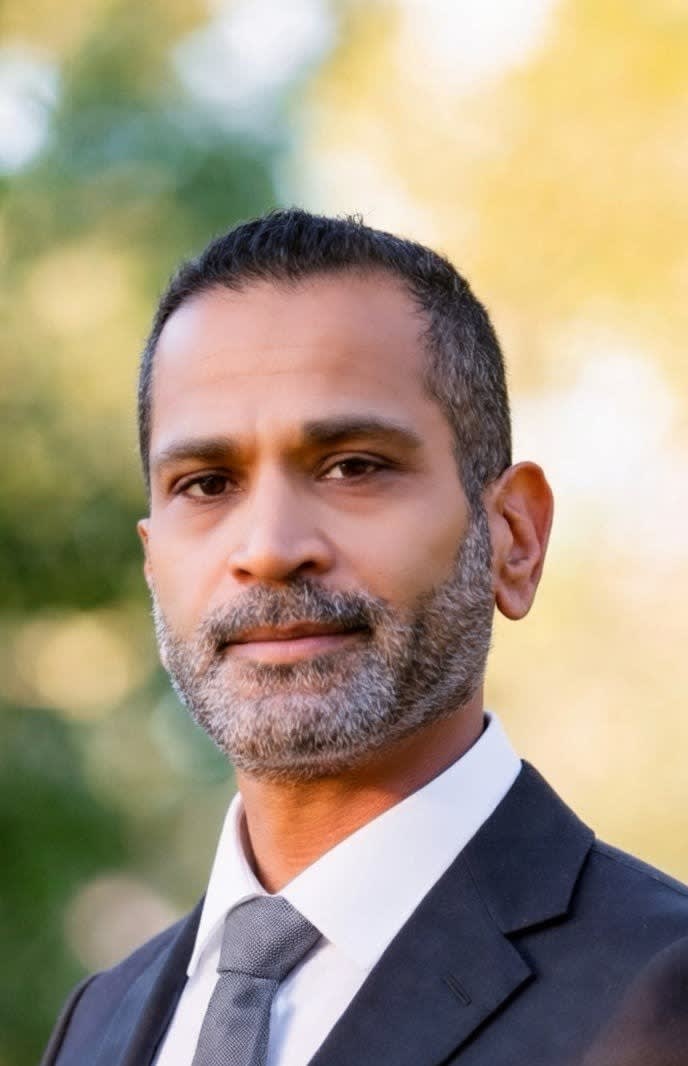
About the author →
Los Angeles is the nation's second-largest city and a major DUI enforcement zone. LAPD patrols the streets and conducts saturation patrols and checkpoints—especially in entertainment-heavy areas like Hollywood, Downtown LA, and around nightlife corridors—while the California Highway Patrol dominates freeway arrests across LA County. The result: a high volume of DUI arrests funneled through a single courthouse with a well-staffed prosecutors' office and predictable (though aggressive) enforcement patterns that shape your defense strategy.
How DUIs are policed in Los Angeles
The Los Angeles Police Department (LAPD) enforces DUI laws throughout the City of Los Angeles, with one of the nation's largest municipal police forces and a history of aggressive DUI checkpoint and saturation patrol operations. LAPD patrols are concentrated around downtown, Hollywood, and neighborhoods with active nightlife; officers are especially vigilant after bars and clubs close. The California Highway Patrol (CHP) handles freeway corridors, including Interstate 5, I-10, I-405, and US-101, and produces the highest number of DUI arrests in the LA area.
- LAPD street enforcement: downtown, Hollywood, entertainment and nightlife districts, surface streets across all LAPD divisions
- CHP freeway enforcement: I-5, I-10, I-405, US-101, and other major LA County corridors
- California Office of Traffic Safety (OTS) ranking: Los Angeles County and the City of Los Angeles remain among the higher-traffic-volume regions in California.
- Joint enforcement: LAPD conducts periodic DUI checkpoints and multi-week saturation patrols funded by OTS grants, often targeting Hollywood, Central Division, South LA, and Valley corridors
Who prosecutes a Los Angeles DUI—and where
Los Angeles is the one city in the county where a split between two different prosecuting offices is baked into every DUI filing. Misdemeanor DUI cases inside the city limits are prosecuted by the Los Angeles City Attorney's Criminal Branch, through a unit dedicated specifically to driving under the influence cases, while the County District Attorney takes over as soon as a charge is elevated to a felony. Most misdemeanor filings are heard at the Metropolitan Courthouse on South Hill Street downtown, which runs several courtrooms dedicated specifically to DUI pretrial matters because of how much of the county's misdemeanor DUI caseload it absorbs. Felony filings instead start at the Clara Foltz Criminal Justice Center nearby. Ron prepares every Los Angeles case knowing which office, and which building, it is actually headed to, since the city attorney and the county DA do not negotiate cases the same way.
LAPD's Official Police Garage system, and where a city this size books an arrest
LAPD processes an arrest at the division that made the stop, and from there the path runs the same way it does across the rest of the county: post bail locally and walk out, or get transferred into the Los Angeles County jail system, booked in through the Inmate Reception Center downtown, if bail is not posted or the hold calls for it.
Getting a car back is where Los Angeles does things differently from most cities on this list. LAPD does not rely on one or two contracted lots; it tows through a citywide network of Official Police Garages, and a standard impound runs 30 days before the registered owner can go to that division's auto detectives for a release, though an early release is possible with proof the driver was licensed, insured, and entitled to drive the car at the time. A separate impound hearing, requested within 10 days of the impound notice, lets an owner contest the tow itself if the stop or the paperwork does not hold up.
Why Metro's reach from Union Station matters, and finding a DMV office citywide
No other city on this list is served by anywhere near as much of the Metro Rail system as Los Angeles. Union Station downtown anchors the network, where the B and D Line subways terminate and both Metrolink and Amtrak connect in; from there, the A, C, E, and K light rail lines and an extensive Metro bus system reach outward into most of the city's neighborhoods. Whatever part of town a DUI arrest happened in, there is almost always a rail stop or a dedicated bus line within a reasonable walk.
Los Angeles has more than a dozen DMV field offices spread across the city, including one on South Hope Street near downtown, so a license matter rarely means a long drive. Every one of them handles the same standard licensing, registration, and replacement document work, and every one of them is separate from the Driver Safety hearing that actually decides whether a suspension holds up; that hearing happens first, and the field office visit comes once it is resolved.
Who prosecutes my Los Angeles DUI—the City Attorney or the DA?
Where will my Los Angeles DUI case be heard?
Why does Los Angeles have so many DUI arrests?
What role does the California Highway Patrol play in LA DUI arrests?
Does Ron Chini have an office in Los Angeles?
← Back to Los Angeles County DUI Defense
Ron defends DUI cases across Southern California from his Irvine office — and works directly with you, not a call center.
Learn more about Ron Chini →